Biochar Stored Carbon
Carbon locked in biochar for centuries
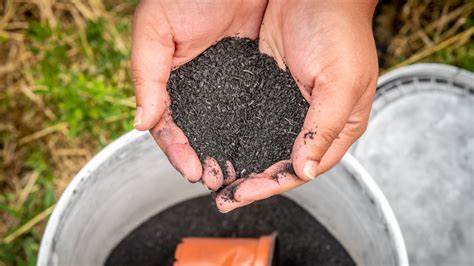
Biochar is a charcoal-like material made by heating biomass residues with little to no oxygen. The carbon that plants took from the air is turned into a highly stable form that stays out of the atmosphere for hundreds of years. Oncra certifies that storage and connects biochar producers with the funding to scale up.
Biochar is not a separate sector: depending on how it is used, it falls under Land Stored Carbon (in soils) or Construction Stored Carbon (in materials).

How biochar stores carbon
From biomass residue to a long-term carbon sink.
Plants absorb CO₂ while they grow. When plant residues rot or are burned, that carbon goes straight back into the air. Heating the same residues without oxygen (pyrolysis) turns much of their carbon into biochar instead.
The high temperature creates tightly bound carbon structures that microbes can hardly break down. Mixed into soil or built into concrete and asphalt, biochar keeps that carbon locked away for centuries. The practice is old: the fertile Terra Preta soils of the Amazon still hold charcoal added thousands of years ago.
Oncra measures the net carbon removal: the stable carbon in the biochar, minus the emissions from collecting the biomass, production, transport and application.
200+
Years of minimum carbon storage
≥ 350 °C
Minimum pyrolysis temperature
≤ 0.7
H/C ratio: proof of a stable biochar
Net
Calculation: stored carbon minus production emissions
Biomass residues
Prunings, crop residues, wood chips and other residual flows are collected. These are materials that would otherwise rot or be burned.
Pyrolysis
The biomass is heated to at least 350 °C without oxygen. Methane is captured and the heat that comes free is put to good use.
Storage and certification
The biochar is worked into soil or building materials. Oncra calculates the net carbon removal and issues certificates for every tonne of CO₂ stored.
Part of Land or Construction Stored Carbon
Where the biochar ends up determines which Oncra method it belongs to. The biochar protocol is a supplementary module to both.
Biochar in soils
Land Stored Carbon
Biochar applied to farmland, forest soils, greenhouses or urban green, directly or via compost or animal feed. Besides storing carbon, it helps the soil hold water and nutrients.
Go to Land Stored Carbon
Biochar in materials
Construction Stored Carbon
Biochar mixed into concrete, cement or asphalt. The carbon is locked into roads and buildings for as long as the material exists.
Go to Construction Stored CarbonThe biochar itself, its production and the carbon calculation follow the same rules in both cases.
Where biochar can be used
Biochar qualifies when it serves as a carbon sink, never as a fuel. Explore our methodologies.
Agricultural soils
Worked into arable land or grassland, on its own or mixed with compost or fertiliser. Improves water retention and nutrient use.
Forest soils and greenhouses
Applied in forestry, orchards, nurseries and greenhouse cultivation to store carbon and support soil life.
Animal feed
Used as a feed additive for livestock and returned to the land through the manure.
Urban green and landscaping
Mixed into soil for parks, street trees and green roofs, where it also helps plants through dry spells.
Concrete and cement
Biochar as an additive in concrete and cement mixtures stores carbon in the built environment.
Asphalt
Mixed into asphalt, biochar stores carbon in roads and paths for the lifetime of the pavement.
Featured project type
Biochar - from residue to carbon sink
Biochar turns residual biomass into a stable material that stores carbon for centuries. No biochar projects have been certified by Oncra yet: yours could be the first.
View projects in registryOther Oncra-certified projects
Wilbert Nieuwenhuis
Boesingheliede, Netherlands
Scave Portugal Agroforestry
Portugal
Van Putten 2024
Werkendam, Netherlands
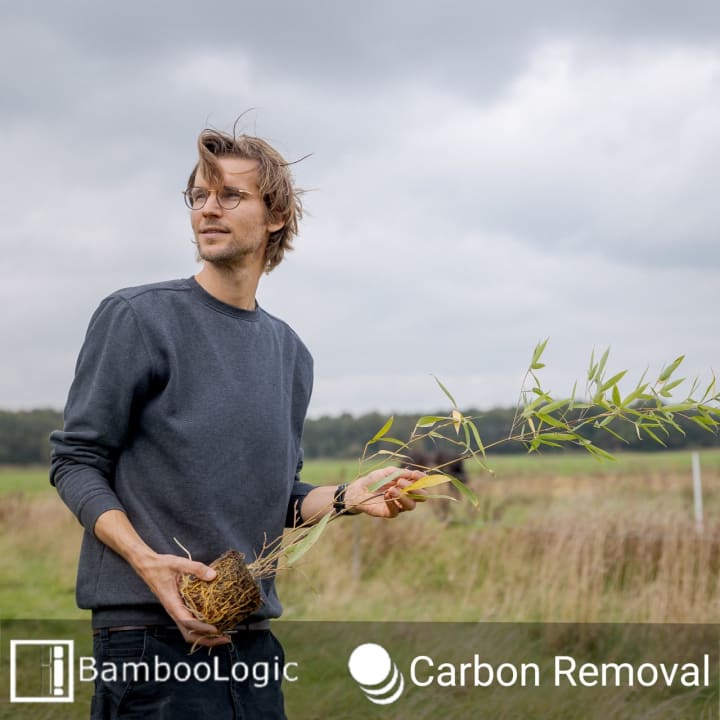
Bamboo Jelle de With
Zeijen, Netherlands
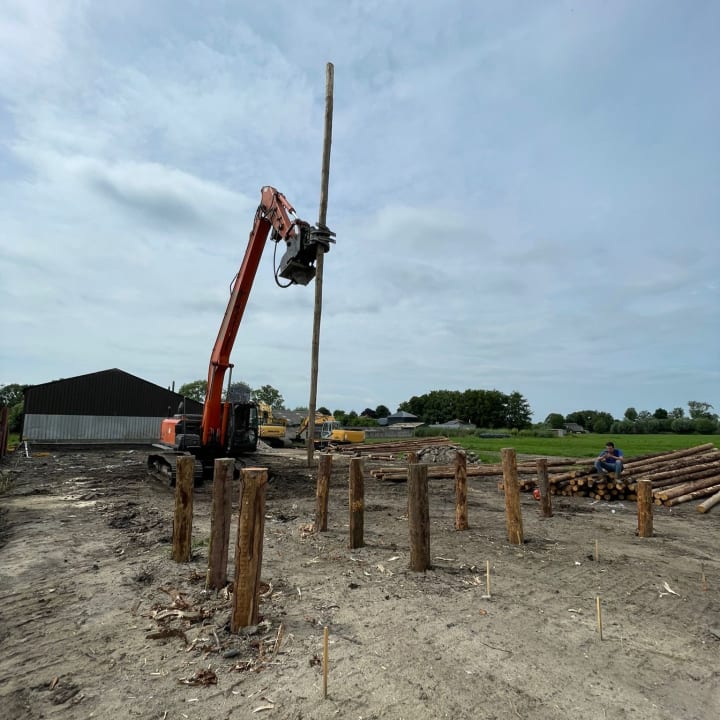
Underground Forest Kockengen
Kockengen, Netherlands
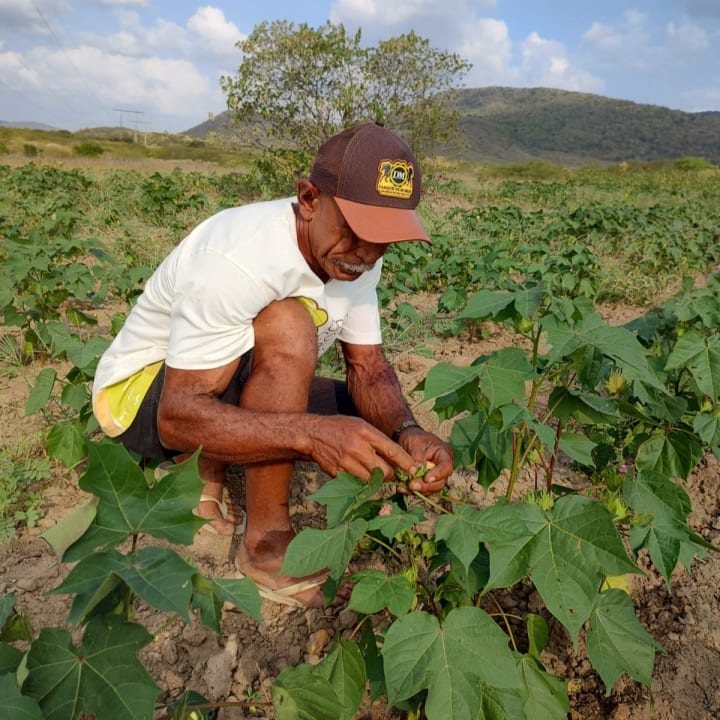
João Lourenço Gonçalves
Salgado de São Félix, Portugal
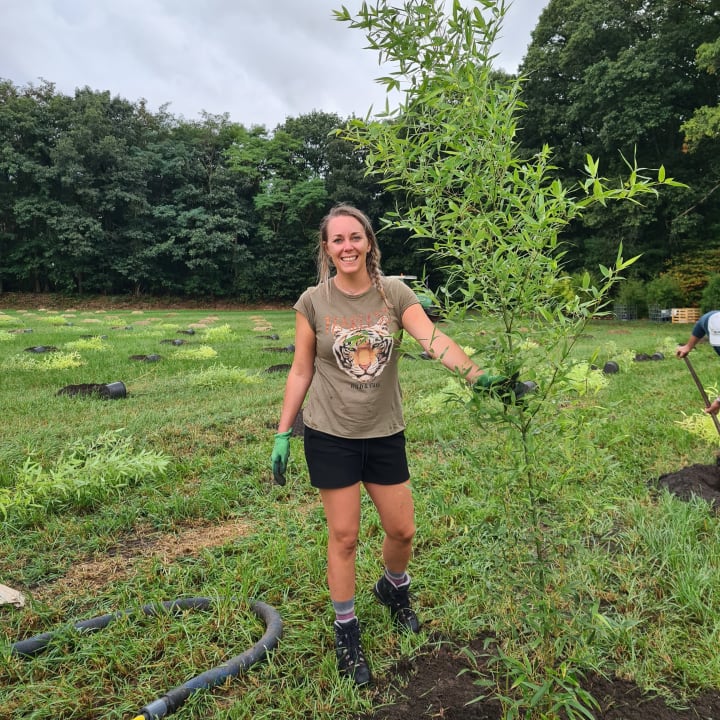
Bamboerim
Hulsel, Netherlands
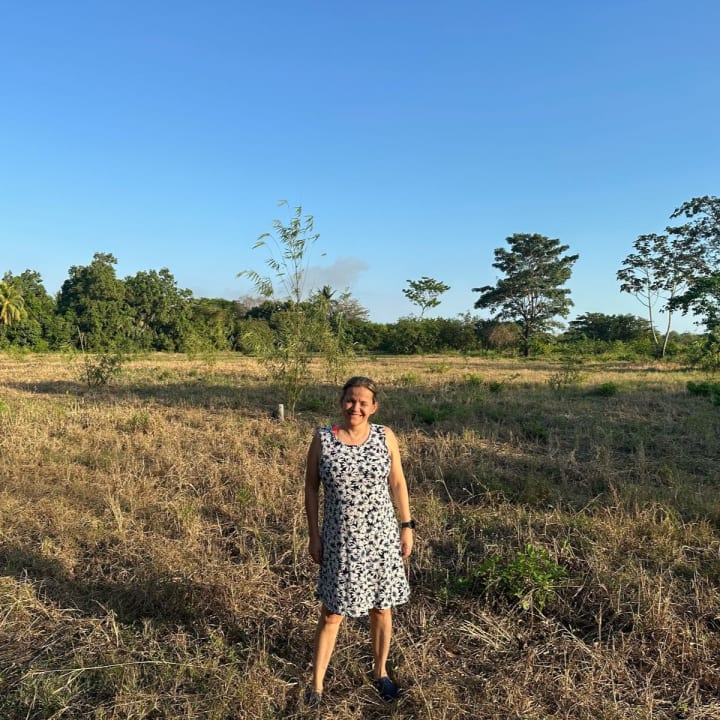
Finca Las Chatias - Bamboo
Los Cerritos
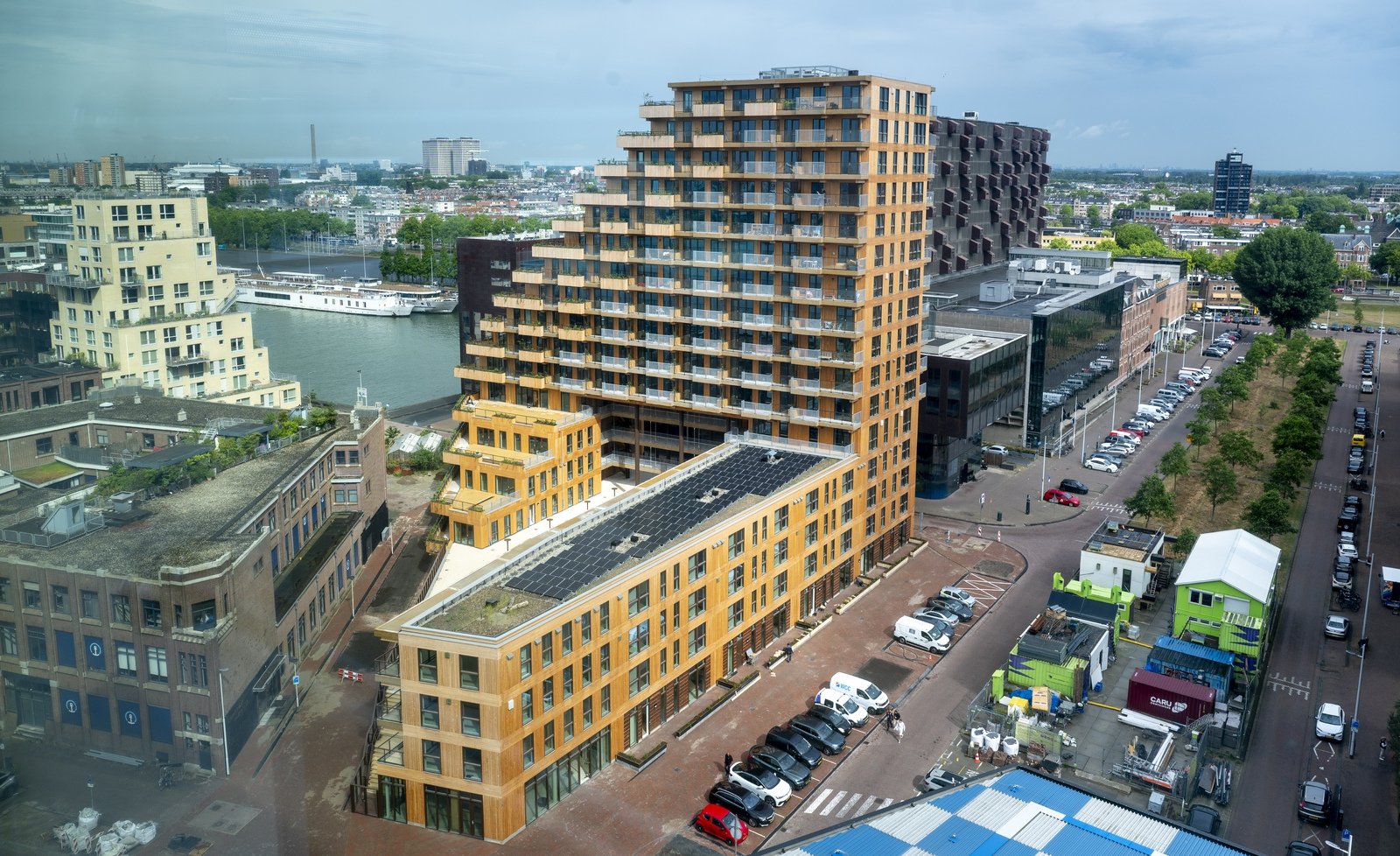
Sawa
Rotterdam, Netherlands
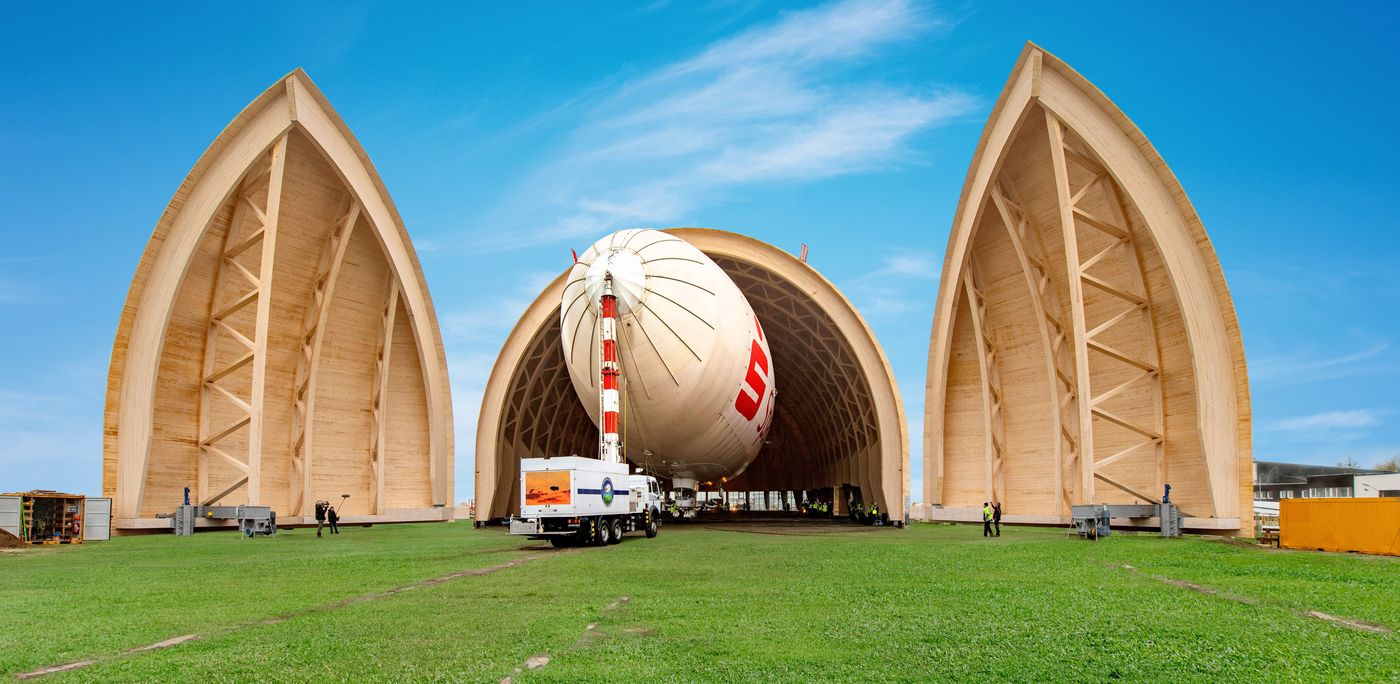
Derix
Germany
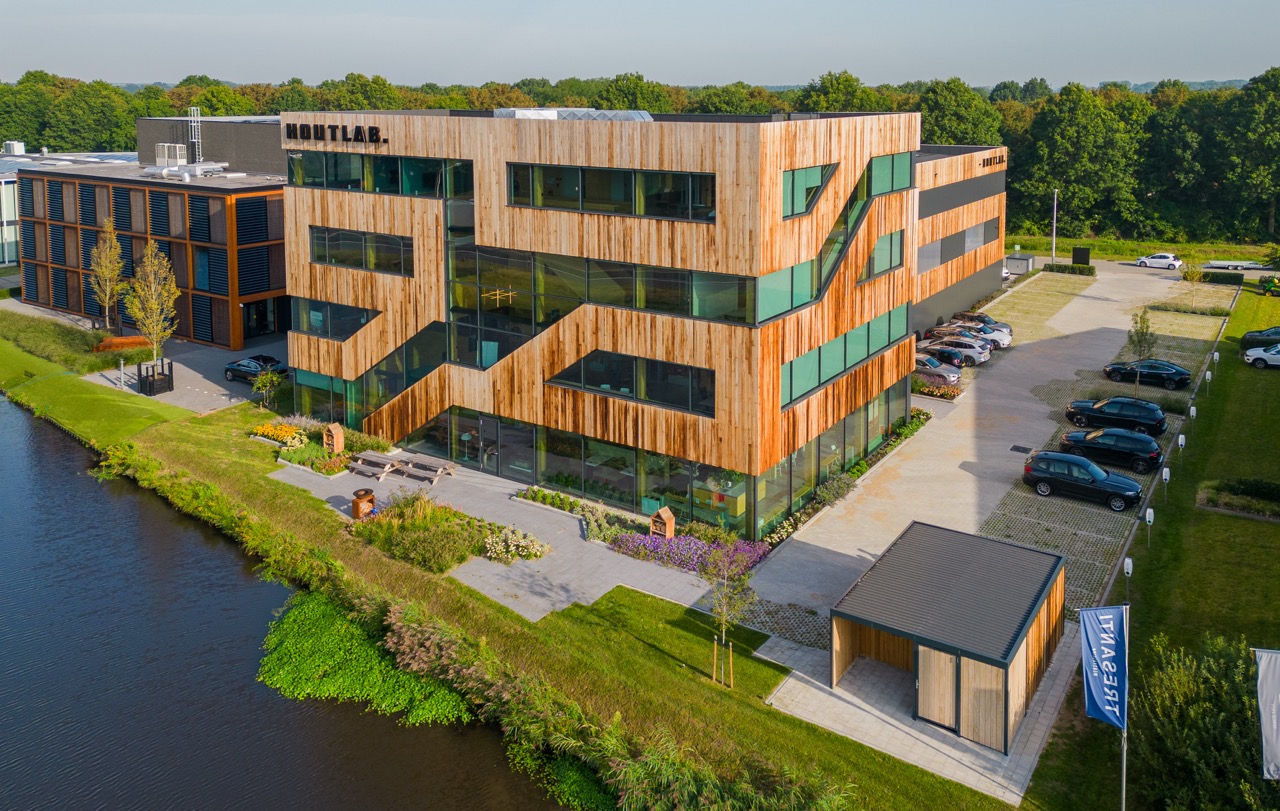
Houtlab
Nieuwkuijk, Netherlands
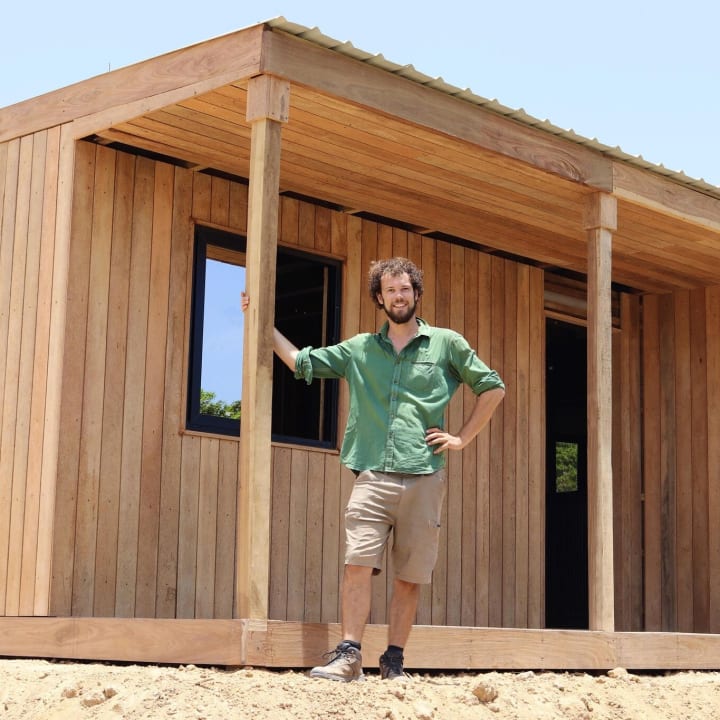
Easy Housing Uganda
Uganda
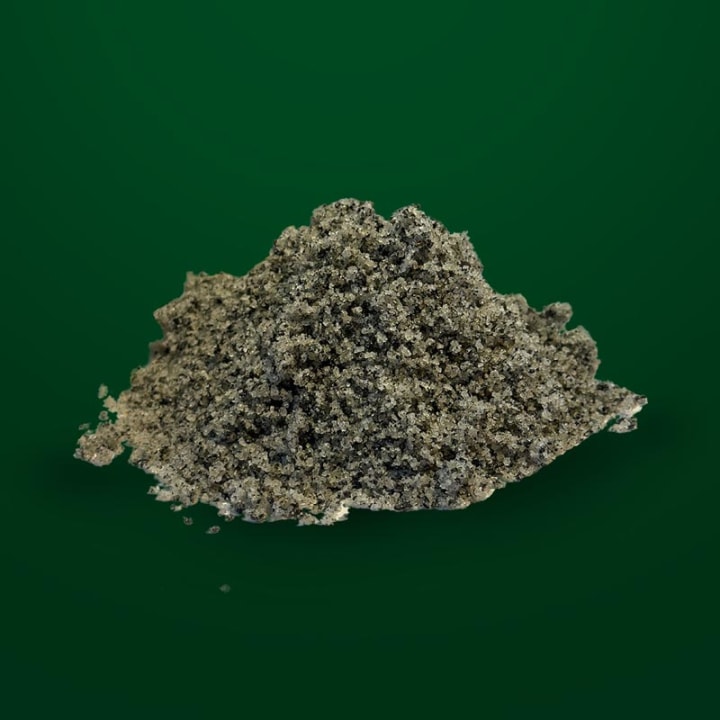
GoGreenSalt - Jos Scholman
Utrecht, Netherlands
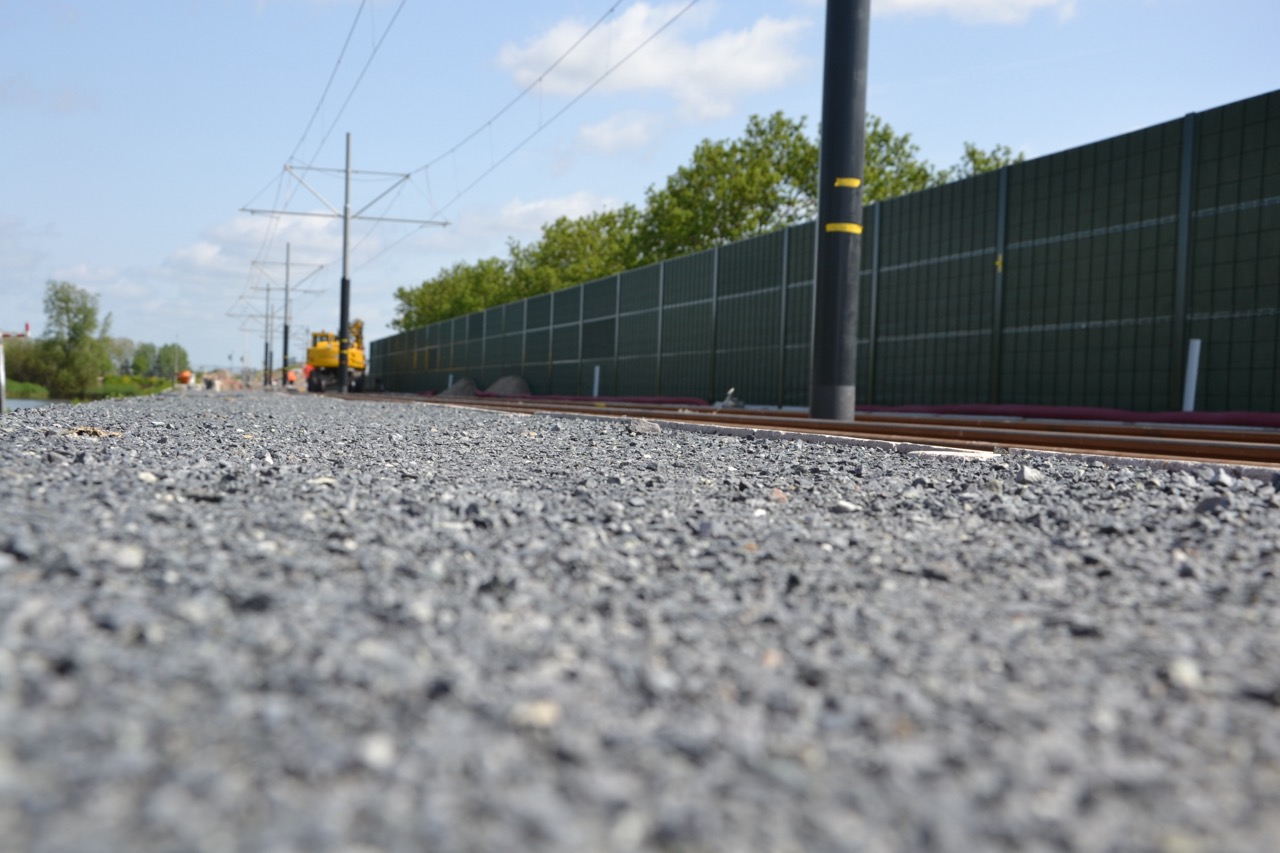
GreenSand Uithoornlijn
Netherlands
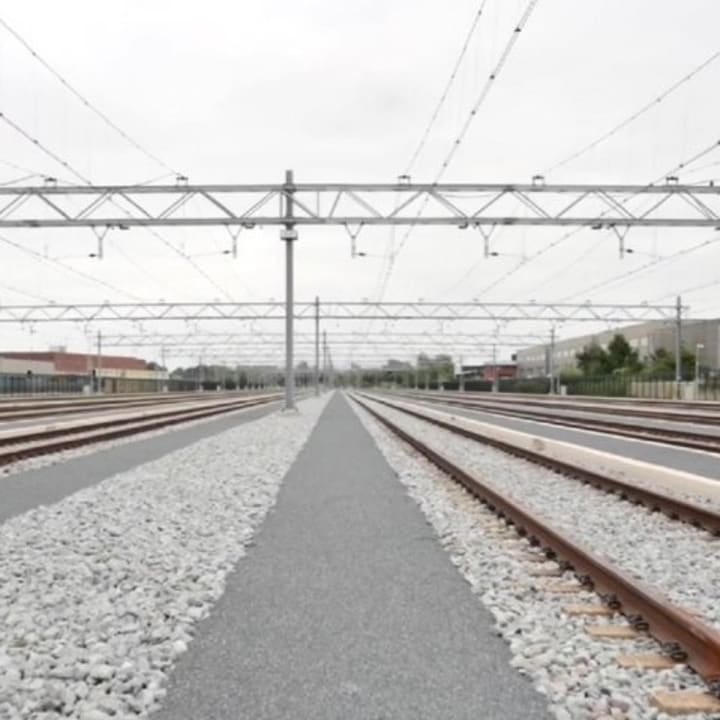
GreenSand opstelterrein Arnhem
Arnhem, Netherlands
Wilbert Nieuwenhuis
Boesingheliede, Netherlands
Scave Portugal Agroforestry
Portugal
Van Putten 2024
Werkendam, Netherlands
Bamboo Jelle de With
Zeijen, Netherlands
Underground Forest Kockengen
Kockengen, Netherlands
João Lourenço Gonçalves
Salgado de São Félix, Portugal
Bamboerim
Hulsel, Netherlands
Finca Las Chatias - Bamboo
Los Cerritos
Sawa
Rotterdam, Netherlands
Derix
Germany
Houtlab
Nieuwkuijk, Netherlands
Easy Housing Uganda
Uganda
GoGreenSalt - Jos Scholman
Utrecht, Netherlands
GreenSand Uithoornlijn
Netherlands
GreenSand opstelterrein Arnhem
Arnhem, Netherlands
Wilbert Nieuwenhuis
Boesingheliede, Netherlands
Scave Portugal Agroforestry
Portugal
Van Putten 2024
Werkendam, Netherlands
Bamboo Jelle de With
Zeijen, Netherlands
Underground Forest Kockengen
Kockengen, Netherlands
João Lourenço Gonçalves
Salgado de São Félix, Portugal
Bamboerim
Hulsel, Netherlands
Finca Las Chatias - Bamboo
Los Cerritos
Sawa
Rotterdam, Netherlands
Derix
Germany
Houtlab
Nieuwkuijk, Netherlands
Easy Housing Uganda
Uganda
GoGreenSalt - Jos Scholman
Utrecht, Netherlands
GreenSand Uithoornlijn
Netherlands
GreenSand opstelterrein Arnhem
Arnhem, Netherlands
Wilbert Nieuwenhuis
Boesingheliede, Netherlands
Scave Portugal Agroforestry
Portugal
Van Putten 2024
Werkendam, Netherlands
Bamboo Jelle de With
Zeijen, Netherlands
Underground Forest Kockengen
Kockengen, Netherlands
João Lourenço Gonçalves
Salgado de São Félix, Portugal
Bamboerim
Hulsel, Netherlands
Finca Las Chatias - Bamboo
Los Cerritos
Sawa
Rotterdam, Netherlands
Derix
Germany
Houtlab
Nieuwkuijk, Netherlands
Easy Housing Uganda
Uganda
GoGreenSalt - Jos Scholman
Utrecht, Netherlands
GreenSand Uithoornlijn
Netherlands
GreenSand opstelterrein Arnhem
Arnhem, Netherlands
Methodology and certification
Oncra's biochar protocol sets out how we measure, verify and certify carbon stored in biochar. It is aligned with the EU Carbon Removal and Carbon Farming (CRCF) Regulation.
What the protocol covers
- Eligible feedstocks: waste and residual biomass
- Production requirements: temperature, methane capture and heat reuse
- Stability of the biochar and 200+ year storage
- Eligible uses in soils and in materials
- Net carbon removal calculation, including a life cycle assessment
- Lab testing, monitoring and third-party verification
Who can apply
Biochar producers can apply, as well as other parties in the chain, such as a user of the biochar, provided there is a written agreement on who owns the certificates.
Projects inside and outside the EU can apply. A project plan covers up to five years of production and application.
Required documentation
When applying for biochar certification, the following documents are needed to calculate and verify your carbon removal.
We support applicants throughout the process and help with completing the required documents where needed.
Project plan
A description of the activity, the production facility and the application or incorporation sites, based on the Oncra template.
Feedstock description
The types and amounts of biomass used, with proof that it is waste or residue where required.
Biochar lab analysis
Lab results per production batch, including carbon content, H/C ratio and contaminants.
Proof of use
Invoices, delivery records or application logs that show where the biochar ended up.
Life Cycle Assessment (LCA)
Greenhouse gas emissions from biomass collection, production (including methane), transport and application.
Pricing
Certification fees for biochar are volume-based and tied to actual sales. Full pricing details, including the pre-validation and sale stages, are available in the documentation.
View detailed Pricing in DocumentationOncra's methods of carbon storage
Biochar is certified under Land or Construction Stored Carbon. Oncra also certifies carbon stored in oceans and rocks.
Land Stored Carbon
Carbon stored in soil, roots and living vegetation through farming, forestry and restoration.
Learn moreConstruction Stored Carbon
CO₂ locked into biobased buildings, timber, bamboo and hemp, for the lifetime of the structure.
Learn more
Ocean Stored Carbon
Marine ecosystems sequestering carbon at scale, from seaweed farms to mangrove forests.
Learn more
Rock Stored Carbon
Permanent mineral carbonation through enhanced weathering of olivine and basalt.
Learn moreReady to certify your biochar project?
Whether you produce biochar or use it in soil or materials, Oncra's certification process is built for real-world projects. Start your application or explore how the process works.